Tamarind
Latin Name: Tamarindus Indica
Type: Herb
Tamarind is a leguminous plant that is native to Africa; high in nutritional value as it contains good amount of fibre, B vitamins, magnesium, iron, and polyphenols with antioxidant property.
It produces long, curve brown pod-like fruits that look like peas. Each pod contains a number of small brown seeds, surrounded by reddish-brown pulp that is often used in cuisines to give a tangy, delicious taste.
The edible pulp is used as traditional medicines for several health conditions, such as diarrhea, constipation, heat stroke, sore throat and diabetes. Being a good source of potassium and antioxidants, tamarind is also a potential remedy to protect heart from conditions like high blood pressure and high cholesterol level. Recent studies started to look at its anti-inflammatory property that is useful to manage joint pain and inflammation, arthritis, rheumatic conditions and gout.
Share
Stay Inspired with Health Trends

18 Aug 2026
High Blood Pressure Isn't Just About Salt
Think cutting back on salty food is enough? Think again.

31 Jul 2026
Carbs: Friend or Foe? Let's Break It Down!
Are carbs sabotaging your goals? Find out how to make the switch to healthier, smarter options.
10 Jul 2026
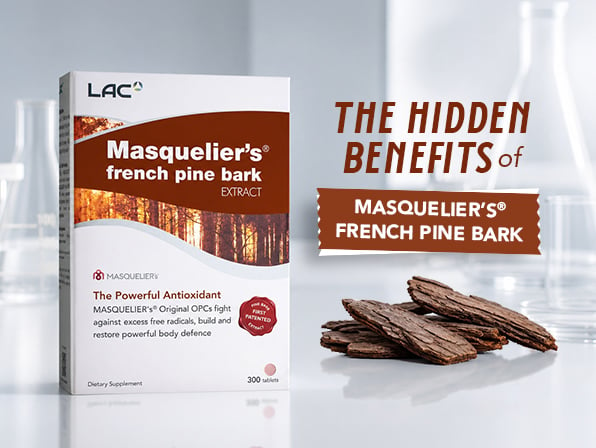
The Hidden Benefits of Masquelier's® French Pine Bark
Backed by decades of research, Masquelier’s® Original OPCs (Oligomeric Proanthocyanidins) are naturally derived phytonutrients renowned for their exceptional ability to provide powerful antioxidant protection, neutralise harmful free radicals and combat oxidative stress, so that you look, feel, and perform at your best. But did you know that their benefits extend far beyond that?

30 Jun 2026
Your Wellness Era Starts Here
If life came with a soundtrack, yours would probably be on shuffle.

16 Jun 2026
The Quiet Truth about Dads
The most important parts of being a father often happen behind the scenes.


02 Jun 2026
Know A Picky Eater?
Picky eaters may potentially be missing out on essential nutrients and vitamins that can help them grow strong! Find out tips on how to handle picky eaters and get them to start eating right.
24 May 2026
Understanding How Hormones Shape Women’s Health
Women’s health is shaped by many factors throughout life — from lifestyle and nutrition to stress, sleep and ageing. As women move through different life stages, their bodies constantly adapt to changing needs and demands.
It is a meaningful reminder not only to celebrate women’s achievements, but also to better understand the biological systems that make women’s bodies uniquely different and constantly evolving. Therefore, today we will dive into the hormonal core of women’s health.